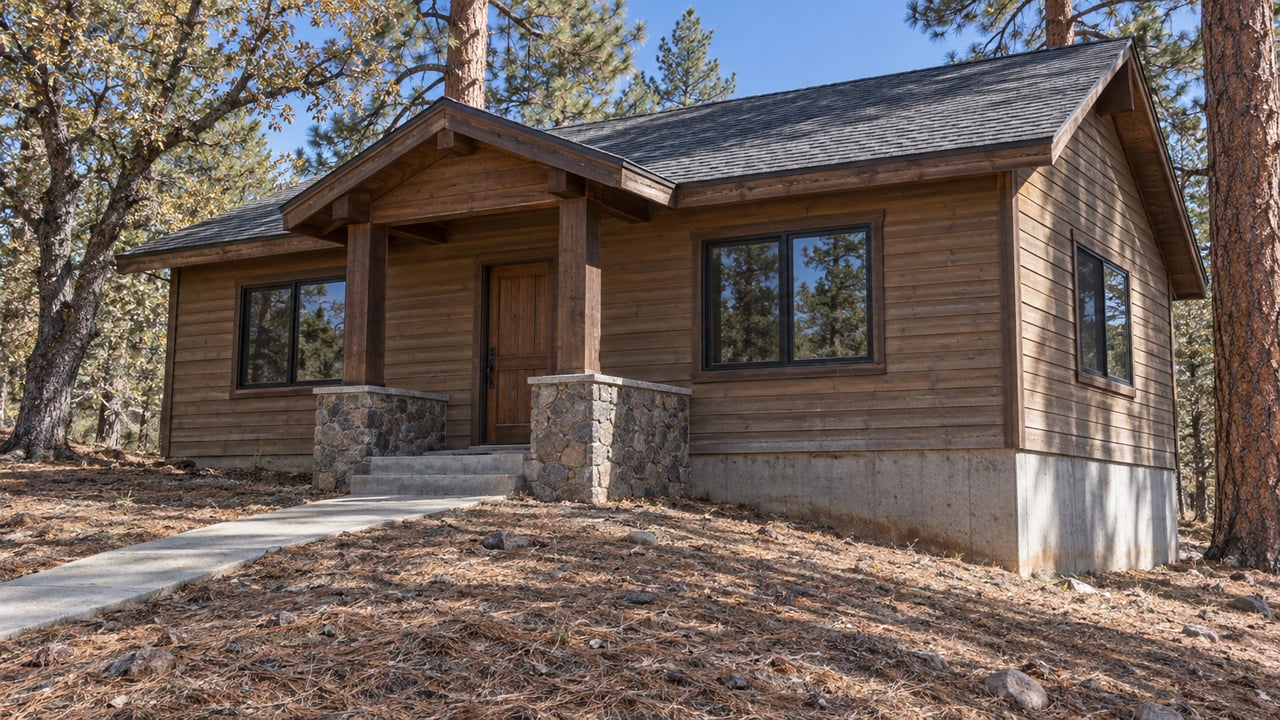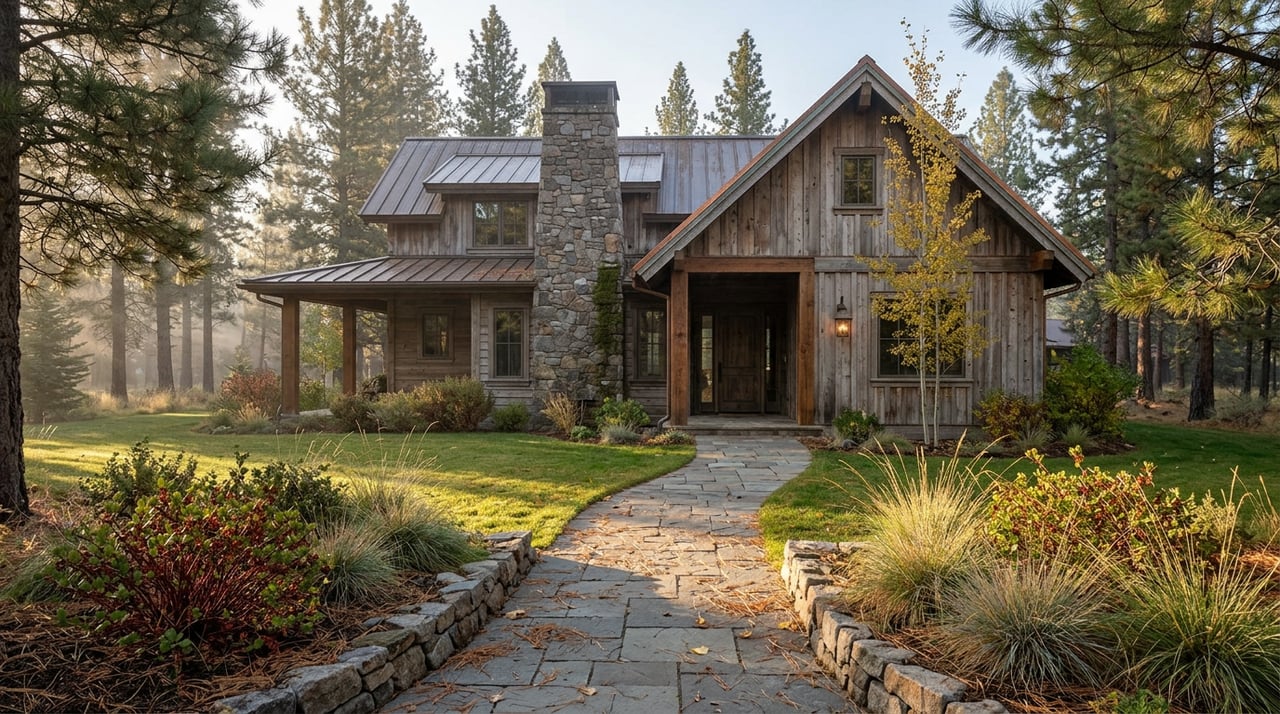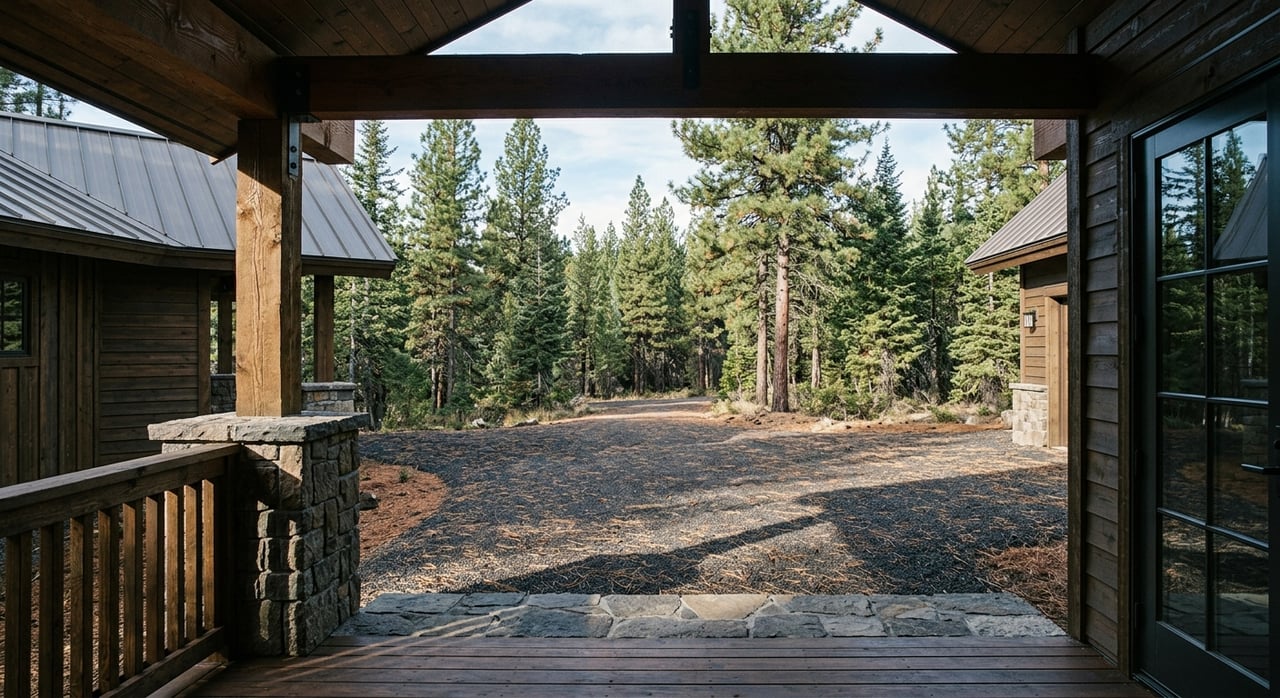
Buying land in Linden can feel like a chance to create exactly what you want, whether that is a future home, a horse property, or a quiet mountain retreat. But rural acreage is very different from buying a standard in-town lot, and small details can have a big impact on cost, timing, and what you can actually build. If you are thinking about land in Linden, the smartest move is to look past the trees and views and focus on the practical pieces first. Let’s dive in.
Why Linden land needs extra homework
In Linden, land purchases are closely tied to infrastructure, access, and county rules. Navajo County treats rural development as a detailed process, and the county’s construction requirements make it clear that a site plan must account for setbacks, utilities, septic, driveways, water source, and existing structures.
That matters because a beautiful parcel is not automatically an easy parcel to build on. Before you make an offer, you want a clear picture of whether the land works for your plans, how services will reach the property, and what improvements may be required.
Another major factor is wildfire exposure. Navajo County identifies wildfire as an annual occurrence, with the highest risk generally during the hottest and driest months, so defensible space and property layout should be part of your buying decision from day one.
Start with buildability and access
One of the first questions to ask is simple: can you legally and practically access the property? In rural areas around Linden, road type matters a lot more than many buyers expect.
Navajo County distinguishes between county-maintained roads and primitive or Forest Service roads. Primitive roads are not built to county standards and receive only minimal maintenance, while unpaved county roads are generally graded about every eight weeks.
Seasonal conditions also matter. The county notes that snow removal begins at 4 inches, and driveway windrows are the property owner’s responsibility, so it is worth thinking through year-round access, not just how the parcel looks on a dry day.
If you plan to improve a driveway or do work near the road, there may be permit requirements. Navajo County requires permits for some improvements within county road right-of-way, and a Residential ROW Use Permit may be needed for driveway culvert work.
Verify water parcel by parcel
Water is one of the biggest due diligence items for rural land in Linden. You should never assume the setup on one parcel matches the setup next door.
Some Linden-area properties may have access to community water service. The Arizona Department of Water Resources lists Mountain Glen Water Service Linden Trails among active community water systems, which shows that some tracts may be served that way.
Still, service must be confirmed for the specific parcel you want to buy. Even in the same general area, one property may have community water while another may depend on a private well.
If a parcel will need a well, ADWR says a Notice of Intent to Drill must be filed before drilling, deepening, or modifying a well. The work must be done by a licensed well-drilling contractor.
ADWR also notes that a typical domestic exempt well is generally for household use and is limited to 35 gallons per minute or less. If a property uses a shared well arrangement, review the recorded documents and title materials carefully because ADWR does not regulate shared-well agreements.
Understand septic before you buy
In Linden and other rural parts of Navajo County, septic planning often starts early. Arizona Department of Environmental Quality guidance explains that onsite wastewater systems are common in rural Arizona, and counties issue septic permits on ADEQ’s behalf.
Navajo County says sewage service must be available before construction begins. If the property will use a septic system, a soil test is required in the proposed system area.
This is one reason raw land can be more complex than it first appears. Site conditions may determine what type of system can be permitted, and ADEQ recognizes several onsite system types, including conventional septic systems and alternative engineered designs such as pressure distribution and mounds.
Before closing, it is wise to confirm whether the parcel has an approved septic system, whether testing has been done, and what kind of system may be needed for your intended homesite. Navajo County also requires proof of an approved septic system, or a release from the sanitary district, before issuing a building permit.
Do not assume power is easy
Electric service is another area where rural buyers should slow down and verify the details. In Navajo County, electric power cannot be supplied to vacant property until a valid primary dwelling and septic permit are submitted.
That means power extension is not something you should casually assume will happen before the building process is underway. If your plans depend on nearby service, make sure you understand the timing and what approvals come first.
The county also states that all utilities must be on and working for final inspection. A realistic utility plan is not just helpful, it is part of the path to completing the project.
Check zoning and parcel size carefully
Zoning in Navajo County is built around rural acreage standards, and that can shape everything from how many homes are allowed to whether a future split is possible. The county’s rural districts include RU-1, RU-5, RU-10, and RU-20, which correspond to 1, 5, 10, and 20 acres per dwelling unit.
These standards exist in part because large-lot rural development may not have the same level of public facilities or emergency response as more urbanized areas. For you as a buyer, the practical point is that parcel size is not just about elbow room. It can directly affect how the land may be used.
In Linden, parcel sizes vary widely. Available land in the area includes everything from sub-acre tracts to 20-acre-plus parcels and even larger acreage, so it helps to think in terms of homesites, rural lots, and larger tracts rather than one standard lot model.
If you are buying with future plans to divide land, pay close attention to county rules. Navajo County says that in unincorporated areas, if any resulting parcel would be less than 10 acres, the Minor Land Division process is required. If all resulting parcels are 10 acres or larger, that process is not necessary.
Horses, RV plans, and private restrictions
If you want acreage for horses, confirm both zoning and site standards before you buy. Navajo County allows horse keeping under its zoning rules, but the ordinance includes requirements such as corral setbacks and minimum square footage per horse.
If you plan to live in an RV while building, be careful not to assume that is automatically allowed. Navajo County allows only a temporary RV permit, and only after a building permit or mobile home permit has already been secured for the primary dwelling.
You should also look beyond county zoning when a parcel is in a subdivision. Navajo County does not interpret or enforce CC&Rs or HOA restrictions, so private deed restrictions may limit what you can do even when zoning appears to allow it.
Wildfire planning should be part of the purchase
Wildfire resilience is not just a construction issue after you buy. In Linden, it should be part of how you evaluate the parcel itself.
Navajo County’s Firewise guidance focuses on the home ignition zone, ember exposure, roof and gutter cleanup, vent screening, vegetation management, and tree spacing. Those items can influence where a home should sit on the land and how much work may be needed to create defensible space.
A heavily wooded parcel may look ideal at first glance, but you also want to think about access for emergency response, safe spacing around structures, and ongoing vegetation maintenance. In other words, you are not only buying scenery. You are also buying the responsibility that comes with the site.
A smart due diligence checklist for Linden land
Before you move forward on land or acreage in Linden, make sure you can answer these questions:
- Is there legal and practical road access to the parcel?
- What type of road serves the property, and how is it maintained?
- Is water available through a community system, a private well, or a shared well arrangement?
- If a well is needed, what approvals and contractors will be required?
- Has the septic situation been tested, approved, or otherwise documented?
- What zoning district applies to the parcel, and what does that mean for use?
- Are there private CC&Rs or HOA rules that affect your plans?
- Will driveway improvements or road work require right-of-way permits?
- Does the site layout support defensible space and wildfire mitigation?
- If you hope to split the property later, do county land division rules support that plan?
Why local guidance matters
Buying rural land is often about possibility, but the best purchases are grounded in facts. In Linden, the details around access, water, septic, power, zoning, and wildfire planning often determine whether a parcel is a smooth fit for your goals or a much bigger project than expected.
If you are buying from out of town or looking for a second-home property, those details can be even harder to sort through on your own. Having someone who knows the White Mountains and understands how rural acreage decisions play out in real life can save you time and help you ask better questions before you commit.
When you are ready to explore land or acreage in Linden, Erin Amos can help you evaluate the practical side of each property so you can move forward with more clarity and confidence.
FAQs
What should you verify before buying land in Linden?
- You should verify road access, water source, septic requirements, utility planning, zoning, parcel size rules, and wildfire-related site considerations before making an offer.
What water options are common for land in Linden?
- Depending on the parcel, water may come from a community water system, a private well, or a shared well arrangement, so parcel-specific verification is essential.
What septic rules apply to rural land in Linden?
- Rural parcels often rely on septic systems, and Navajo County requires sewage service availability before construction, along with a soil test if a septic system is proposed.
What zoning issues matter when buying acreage in Linden?
- Navajo County rural zoning districts set minimum acreage per dwelling unit, so zoning can affect how the property may be used, improved, or potentially divided in the future.
Can you live in an RV while building on land in Linden?
- Navajo County allows only a temporary RV permit, and only after a building permit or mobile home permit has been secured for the primary dwelling.
Why is wildfire planning important for Linden land buyers?
- Wildfire is an annual concern in Navajo County, so buyers should consider defensible space, vegetation management, emergency access, and overall site layout before purchasing.