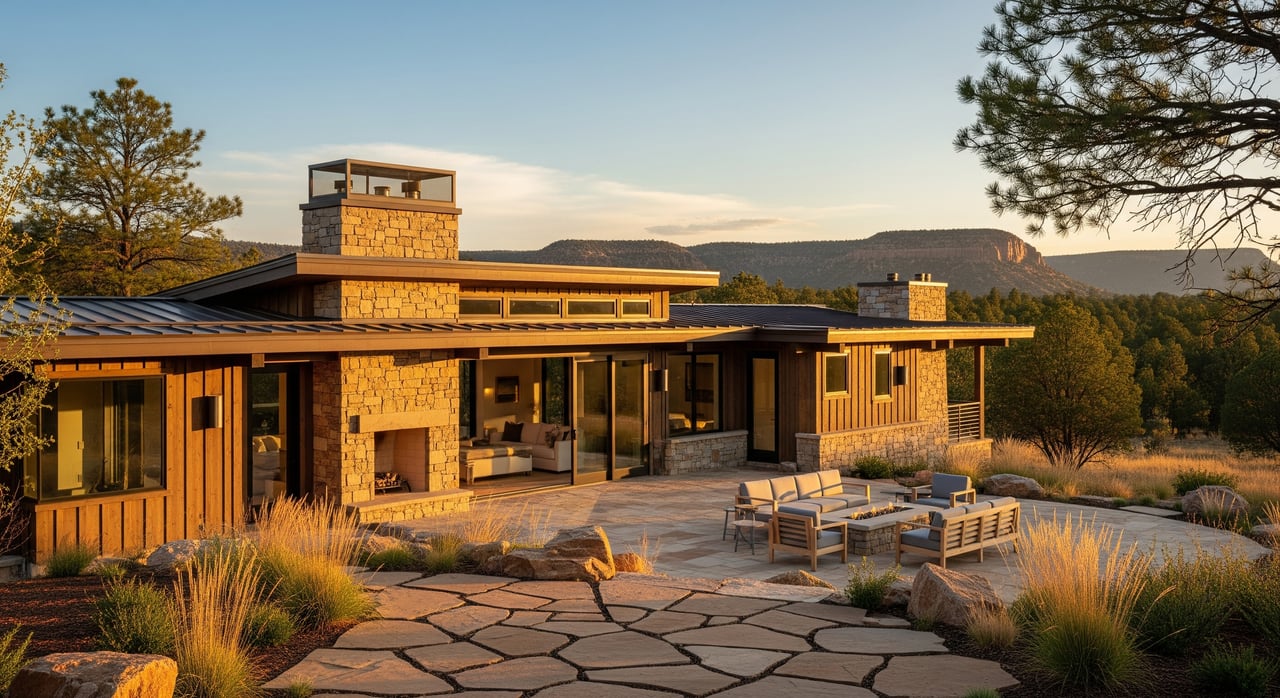
Dreaming of a pine cabin in the White Mountains but not sure how a second-home mortgage works in Arizona? You’re not alone. Buying near Linden brings unique opportunities and a few rural wrinkles you should plan for. In this guide, you’ll learn how lenders define a second home, what down payment and rates to expect, how rural features like wells, septic, and road access affect underwriting, and the exact documents to gather so you can move fast. Let’s dive in.
Second home vs. investment property
Lenders draw a clear line between personal-use second homes and rentals. A second home is a property you intend to occupy for part of the year and keep primarily for your own use. A property bought mainly to generate rental income is an investment property. Primary residences follow different rules and programs than either of these.
This distinction matters because loan programs, down payments, rates, and reserve requirements differ. Conventional conforming loans through Fannie Mae and Freddie Mac are the most common path for second homes. Government-backed programs like FHA, VA, and USDA are generally intended for primary residences, so they are not typical options for second homes.
If you plan to use frequent short-term rentals, many lenders will treat the home as an investment property. Some lenders allow limited personal-use rentals, but a property marketed for frequent Airbnb or VRBO stays usually falls under investment rules.
Loan options and typical costs
Programs you’ll likely use
Conventional conforming loans are the go-to for second homes and are widely available from banks, credit unions, and mortgage brokers. If your property is unusual, such as a very rustic cabin, large acreage, or off-grid systems, a portfolio lender or specialty loan may fit better. FHA, VA, and USDA loans generally serve primary residences and are not standard for second-home purchases.
Down payment and PMI
For second homes, many lenders accept 10 percent down for well-qualified buyers, though 15 to 20 percent is common to secure better pricing. Mortgage insurance may apply if your loan-to-value is above 80 percent, and some lenders price PMI higher for second homes than for primary residences. Investment properties often require larger down payments, typically 15 to 25 percent for a single-unit property, and more for multi-unit investments.
Interest rates in context
Second-home mortgage rates are usually a bit higher than primary-residence rates. The difference often ranges from about 0.125 to 0.50 percentage points depending on your credit, down payment, and market conditions. Rates for investment properties are commonly higher than second-home rates because lenders price in rental risk. Portfolio or non-QM lenders may set different spreads based on the property and borrower profile.
Credit, DTI, and reserves
Stronger credit helps with pricing and approval. Lenders commonly look for scores in the high 600s to low 700s for best terms, though minimums vary. Debt-to-income maximums for conforming loans typically fall around 43 to 50 percent depending on compensating factors. Reserve requirements are common for second homes: expect to show 2 to 6 months of principal, interest, taxes, and insurance on hand after closing. Investment properties often require even more reserves, especially if you hold other financed properties.
Rural White Mountains underwriting: what’s different in Linden
Appraisals and comparables
In and around Linden, sales can be seasonal and spread out. Appraisers may need to expand the search radius or consider a longer time frame to find suitable comparable sales. This can add time and sometimes introduces appraisal risk if there are few recent cabin or acreage comps that match your property.
Wells, septic, and utilities
Many properties near Linden rely on private wells and septic systems. Lenders often ask for a well capacity and water quality test, septic inspection, and documentation of system capacity. You should also confirm power sources, propane tanks, and any off-grid systems. Some lenders have specific rules for off-grid or alternative systems, and compliance can affect financing options.
Road access and surveys
Access matters. Lenders typically want proof of legal and practical access, which can include a public road, county-maintained road, or a recorded easement. If a road maintenance agreement or HOA handles upkeep, get documentation. On acreage, a boundary survey helps verify access, easements, and the size of the parcel being financed.
Wildfire risk and insurance
The White Mountains’ forested terrain brings elevated wildfire exposure compared to lower-vegetation areas. Some carriers may require defensible space or other mitigation and could price premiums accordingly. Lenders often want proof that hazard insurance can be bound before closing, so seek quotes early from agents experienced with wildfire coverage in this region.
Manufactured, log, or custom homes
Cabins, log homes, and older custom builds can trigger additional scrutiny of foundations, roofing, HVAC systems, and overall construction quality. Manufactured homes have specific titling and permanent foundation requirements for conventional financing. If your property includes outbuildings, barns, or conversions, ask your lender how they treat these features.
Documents you’ll need
Standard borrower paperwork
- Income verification such as recent pay stubs and two years of W-2s, or full federal tax returns if you are self-employed.
- Bank and asset statements, typically two to three months, showing your down payment and reserves, plus explanations for large deposits.
- Gift letters and donor statements if some funds are a gift.
- Identification and proof of your primary residence to show this is a second home.
- Credit authorization and letters explaining any inquiries or derogatory items.
Property-specific items for Linden
- A full appraisal with local market context and possibly an expanded search area for comps.
- A boundary survey if you are buying acreage, including easements and access notes.
- Well capacity and water quality testing reports, plus pump condition documentation.
- Septic inspection reports or permits showing system age and capacity.
- Proof of road access and maintenance, such as a recorded easement, county confirmation, or HOA/road agreement.
- Utility details, including power connection, propane tanks, or off-grid systems.
- An insurance quote or binder showing wildfire and hazard coverage can be obtained.
- A preliminary title report confirming clear title and noting mineral rights or other exceptions.
Short-term rentals and your mortgage
If you plan to rent out your property frequently, many lenders will classify the loan as an investment property. That means larger down payments, higher rates, and bigger reserve requirements. If you hope to use projected rental income to qualify, lenders typically want a two-year history of rental income on your tax returns.
Check county or HOA rules if you plan to host short-term rentals. Local restrictions can affect what is allowed, and they may influence financing and insurance. Clarify your intended use with your lender early so you choose the right loan structure.
Pre-approval and timeline tips
Start with a lender who has second-home and rural experience in Navajo County or similar markets. Ask directly whether they have closed loans on cabins, acreage, or homes on wells and septic. Pre-approval will confirm your budget, estimate reserves, and flag any documentation you need to gather.
Build extra time into your timeline. Appraisals in rural areas can take longer. Well and septic inspections may require separate specialists. Insurance binders in wildfire-prone zones can delay closing if additional mitigation is needed. A little lead time prevents rushed decisions during escrow.
Buyer checklist for Linden second homes
- Get pre-approved with a lender that understands second homes and rural underwriting.
- Confirm your down payment target and expected reserve requirement.
- Price insurance early, including wildfire coverage and deductibles.
- Schedule inspections: general home, septic, and well; add specialists for log or custom construction if needed.
- Obtain a preliminary title report and review easements, mineral reservations, and right-of-way issues.
- Verify legal and practical access, plus who maintains the road and how it is funded.
- Ask the seller for utility histories and maintenance records for well, septic, roof, and heating systems.
- If you plan any rentals, confirm county or HOA rules and review your lender’s stance on short-term rentals.
Work with local guidance you can trust
Buying a second home near Linden should feel exciting, not overwhelming. You deserve clear answers on financing, local property risks, and the steps that keep your deal on track. With deep White Mountains experience and a structured Buyer’s Success approach, Erin helps you coordinate the right lender, inspections, insurance quotes, and escrow milestones so you can focus on the mountain lifestyle you want.
Ready to explore cabins, retreats, or acreage near Linden? Connect with Erin Amos to map out your second-home plan and move forward with confidence.
FAQs
What defines a second home vs. an investment property in Arizona?
- A second home is primarily for your personal use for part of the year, while an investment property is purchased mainly to generate rental income; lenders set different down payments, rates, and reserve rules for each.
How much down payment do I need for a second home near Linden, AZ?
- Many lenders allow 10 percent down for well-qualified buyers, but 15 to 20 percent is common for better pricing; mortgage insurance may apply above 80 percent loan-to-value.
Do lenders allow short-term rentals on a second-home mortgage in the White Mountains?
- Frequent short-term rentals often lead lenders to classify the loan as an investment, which carries bigger down payments, higher rates, and larger reserves; always confirm your intended use with your lender.
What inspections are common for wells and septic in Navajo County second-home purchases?
- Lenders often request a well capacity and water quality test, septic inspection or permit verification, and related maintenance records to confirm habitability and system adequacy.
How does wildfire risk affect insurance and closing in Linden, AZ?
- Elevated wildfire exposure can impact availability and price of hazard insurance, and many lenders require proof that coverage can be bound before closing, so obtain quotes early.
Why do rural appraisals in the White Mountains take longer?
- Rural markets have fewer recent comparable sales, so appraisers may expand the search area or time frame, which can add time and increase the chance of valuation adjustments.