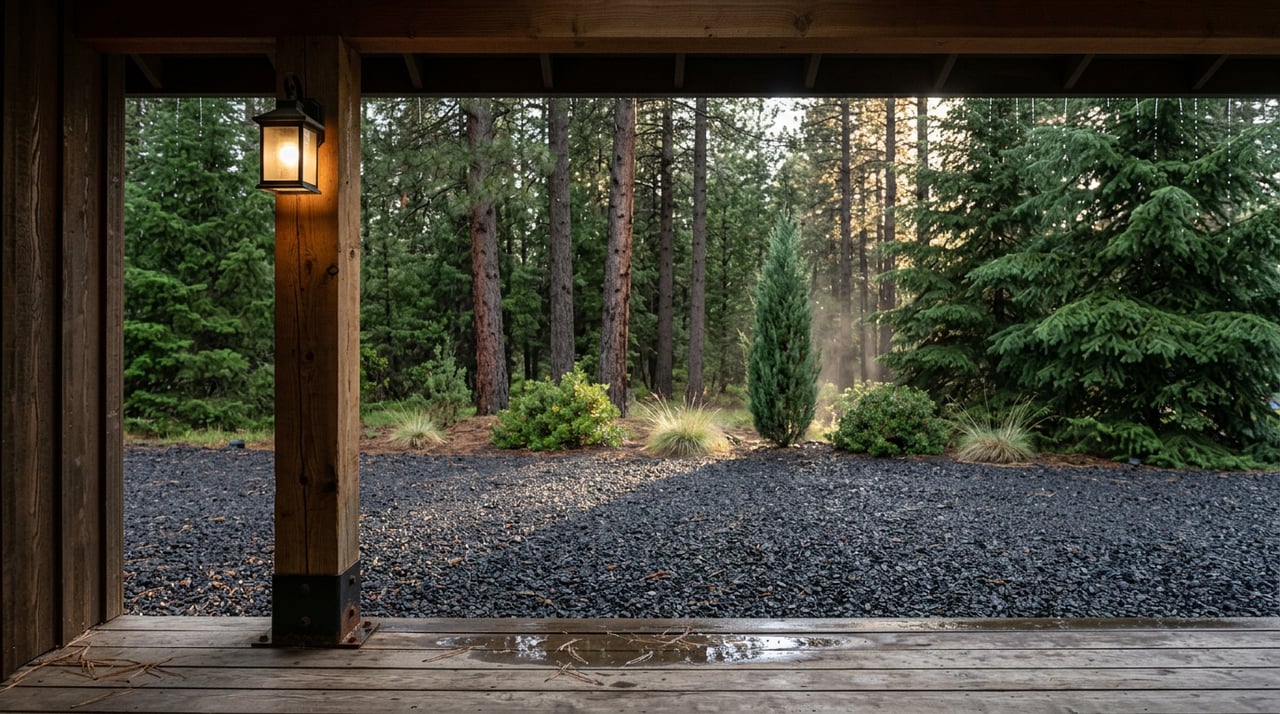
By ten in the morning the ponderosas along Highway 260 are still, the air smells like warm bark, and the light on the Rim is flat and clean. By one, a wall of gray has stacked over the pines to the south, the temperature drops eight degrees in twenty minutes, and the first heavy drops hit the metal roofs at Timberland Acres. By four, the drive is a shallow river of pine needles and runoff, and the sky is scrubbed blue again. This happens most afternoons from early July into September.
That predictability is the whole point. In Linden, monsoon season isn't a hazard to plan around. It's the scheduling engine that splits a summer day into three usable windows. People who moved up here from the Valley in June tend to figure it out by their second full week. Everyone else keeps trying to run errands at 2:15.
The Three-Window Day
Anything that requires clear sky, dry tread, or a long drive belongs in the morning window, roughly first light to eleven. This is when residents walk dogs on the shaded stretches of the Ghost of the Coyote, top off propane, get the trailer to town, and finish anything on a ladder. At 6,300 feet, the sun is already strong by nine, but the ground is dry and the ridgelines are open.
The midday window is short and structural. It's when the cell builds. Locals treat noon to about one-thirty as covered-porch time or town time: a run to DG Market at the eastern edge of the community for the one thing that can't wait, a lunch that involves indoor seating and a real roof, the paperwork you keep meaning to do. The mistake is treating this hour like a bonus outdoor hour. It isn't.
The late-afternoon window opens around four, sometimes five, once the cell has drifted east toward the Apache-Sitgreaves and the sun cuts back through. The light is unreasonably good. The temperature is fifteen degrees below Phoenix. The ground is wet, which changes what you can do with it. This is when the day gets its second half.
Which Trails Drain, And Which Ones Turn To Soup
Linden's two most-used walking anchors are the Los Caballos Trailhead and the Ghost of the Coyote, a roughly 13-mile route popular with hikers, horseback riders, and mountain bikers. They do not behave the same way in the rain.
The Los Caballos side sits on rockier, better-drained ground. An hour after a moderate cell, the tread is tacky rather than sloppy, and the mountain bikes come out. The Ghost of the Coyote's clay-heavier segments hold water longer. If you were planning a long loop, the honest answer is to let it sit twenty-four hours or shorten to the sandier northern stretches.
A useful rule of thumb from residents who have watched a lot of storms roll off the Rim: if the runoff in the drainage swales beside your driveway is still moving at four in the afternoon, the singletrack is not ready. If the swales have gone still and dark, you have about a two-hour window before the mosquitoes take over.
The Apache-Sitgreaves National Forest, more than two million acres of it, begins a short drive up Highway 260 and offers the alternative when everything closer in is saturated. The higher elevation routes tend to shed water faster and reopen sooner.
The Midday Errand Loop, Honestly Assessed
Linden has a DG Market on the eastern outskirts. That's the local grocery reality. It handles the emergency gallon of milk, the ice, the batteries when the power flickers. It is not a weekly shop.
The weekly shop is Safeway in Show Low, about twenty minutes down 260. In monsoon season the calculus on that drive changes. Leave Linden at nine and you're back on the porch before the sky turns. Leave at noon and you're driving home through a lightning cell with poor visibility, pine debris on the shoulders, and the occasional cottonwood branch across a lane. The Walmart Supercenter in Show Low sits along the same run, which is why a lot of Linden households batch the trip: propane, groceries, hardware, feed, done before eleven.
Highway 260 is the only real artery. Timber Mesa Fire and Medical District Station 17 covers the community, and the district's crews handle the tree-across-the-road and power-line calls that come with July storms. It's the sort of infrastructure detail that only matters until it matters.
Storm-Watch Dinners
The best local move in monsoon season is a late lunch or an early dinner during the window when the cell is directly overhead. Two Linden sit-down options do most of that work.
The House, in Linden proper, is the lunch answer. It's known for a rotating short menu that includes the Bang Bang Shrimp and a White Mountain donut burger that has a small but genuine cult. It's an indoor room with a real roof, which is the requirement.
Cattlemen's Steakhouse and Lounge is the sit-through-a-thunderstorm dinner. It's the room you land in when the sky opens and you'd rather not drive back through it.
For anyone willing to make the fifteen-minute run into Show Low proper once the worst of the cell has moved through, the Torreon Grille on the patio at Torreon Golf Club is one of the better after-storm rooms in the area, especially when the light comes back over the ponderosas. It's members-and-guests, so the play is knowing someone. The room at Bison Golf Club, on the Billy Mayfair-designed 18-hole course just east of Linden, is a lower-key equivalent that does not require a member.
The tell for a good storm-watch dinner in Linden isn't the food. It's whether the windows face east. You want to be eating when the back edge of the cell moves through and the light returns.
What Changes The Moment The Cell Passes
The forty-five minutes after a monsoon storm is the quietest part of a Linden summer day, and the most local. Elk that were tucked into the junipers step out onto the wet meadows. Fool Hollow Lake, a short drive off, goes glass-flat while everyone else is still inside. The gravel drives in the older subdivisions are dark and packed, and the pine duff releases a smell that is the actual reason a lot of people bought here in the first place.
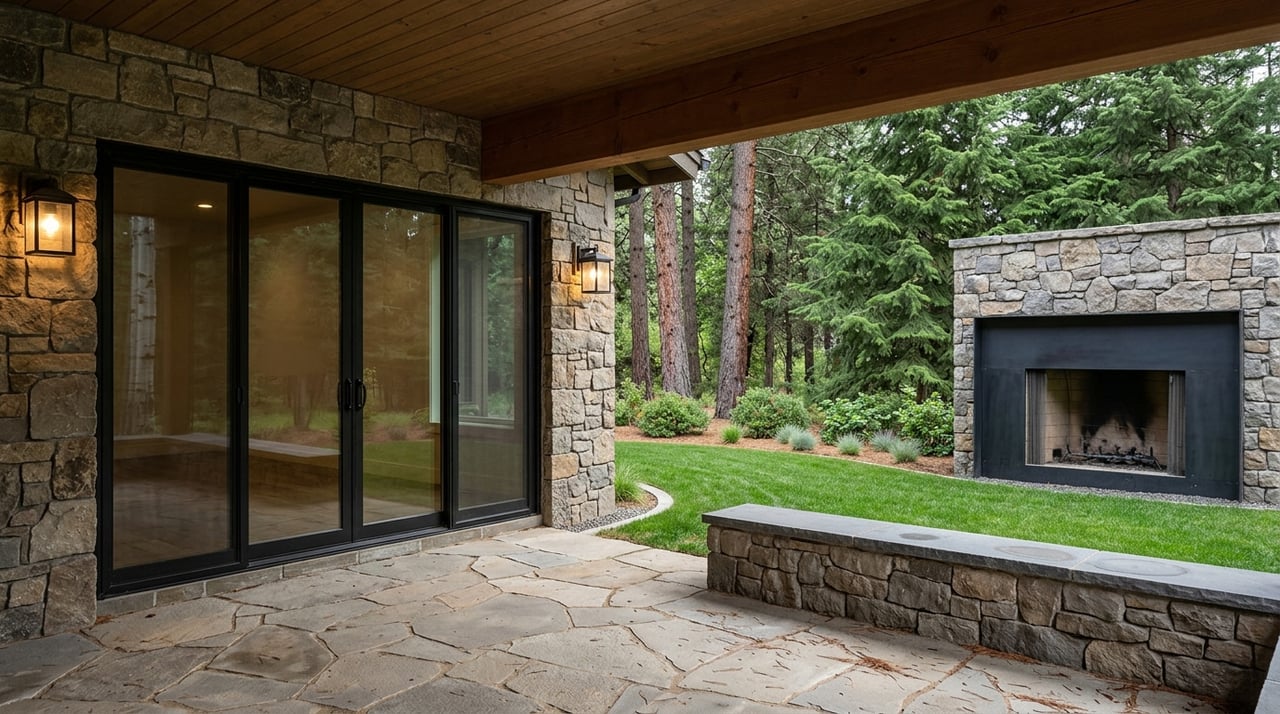
This is when the outdoor half of the day happens. It's short. If you're planning something that needs light, you have maybe two and a half hours before dusk. Residents who have been here a few summers know that a Friday night grill on a covered deck at six-thirty is a much better bet than a two o'clock lakeside plan that never survives the sky.
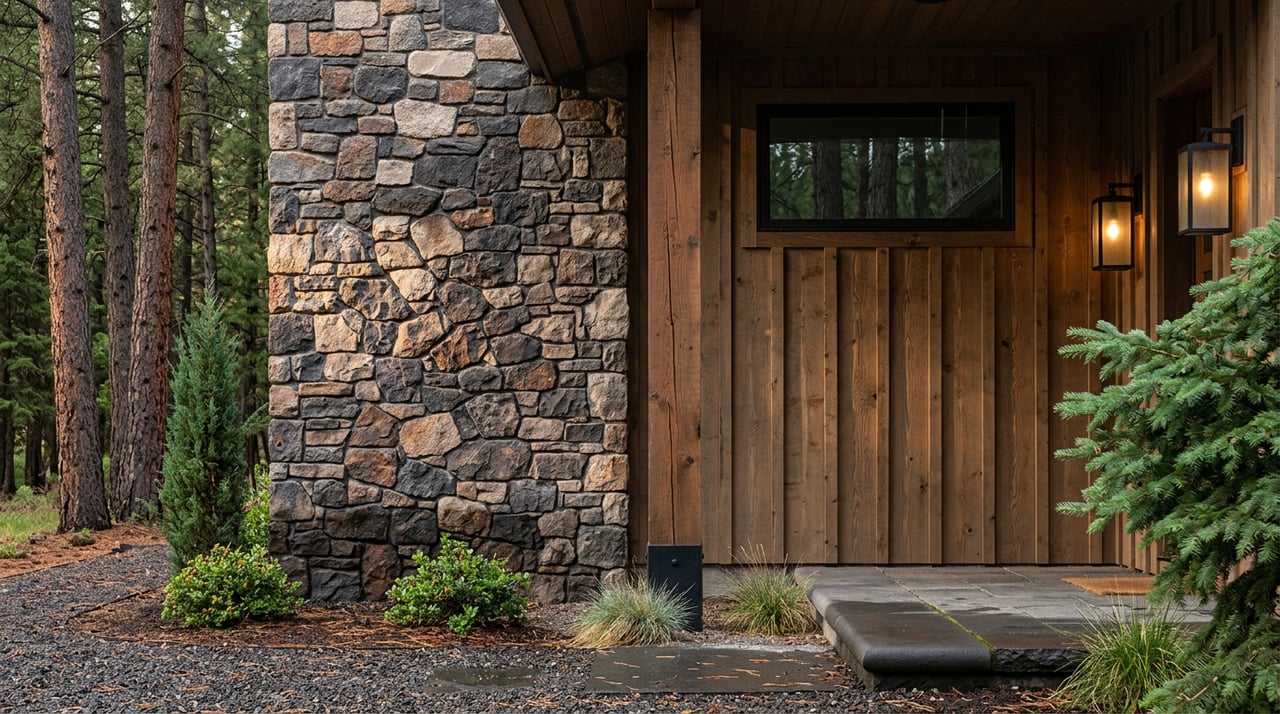
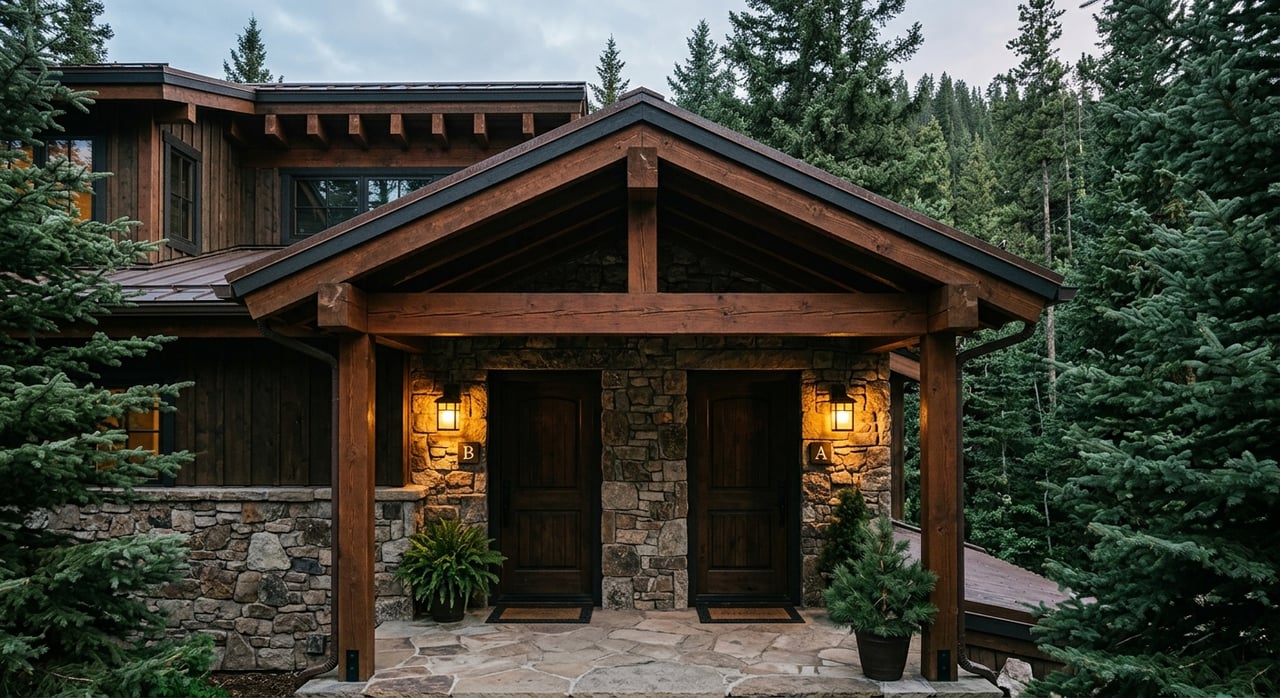
There is a related fact about the shoulder of the season worth holding onto. Linden averages roughly 56 inches of snow a year at this elevation, one of the reasons homes here are built with steep metal roofs and generous eaves. The same overhangs that shed February snow are what let you sit outside through an August downpour with a coffee. The house is designed for both ends of the calendar. Most residents only figure that out after their first full year.
The One Thing Visitors Get Wrong
Almost every out-of-town guest arriving in Linden in July wants to do the long hike or the lake picnic between eleven and two, because that's how a summer day works in most of the country. Locals quietly rearrange the plan. The morning gets the ambitious outdoor piece. The middle of the day gets a proper lunch and a real roof. The late afternoon gets the reward, which is a wet, cool, glowing Rim that most visitors never see because they've already given up and driven back to Phoenix.
The rhythm isn't complicated. It just isn't the one people expect.
If you already own here and you're starting to think about what the property is worth in this market, or you're weighing a move to a quieter part of the White Mountains, Erin Amos knows the Linden market and the surrounding communities from the inside. Start with a free home valuation and a straightforward conversation.