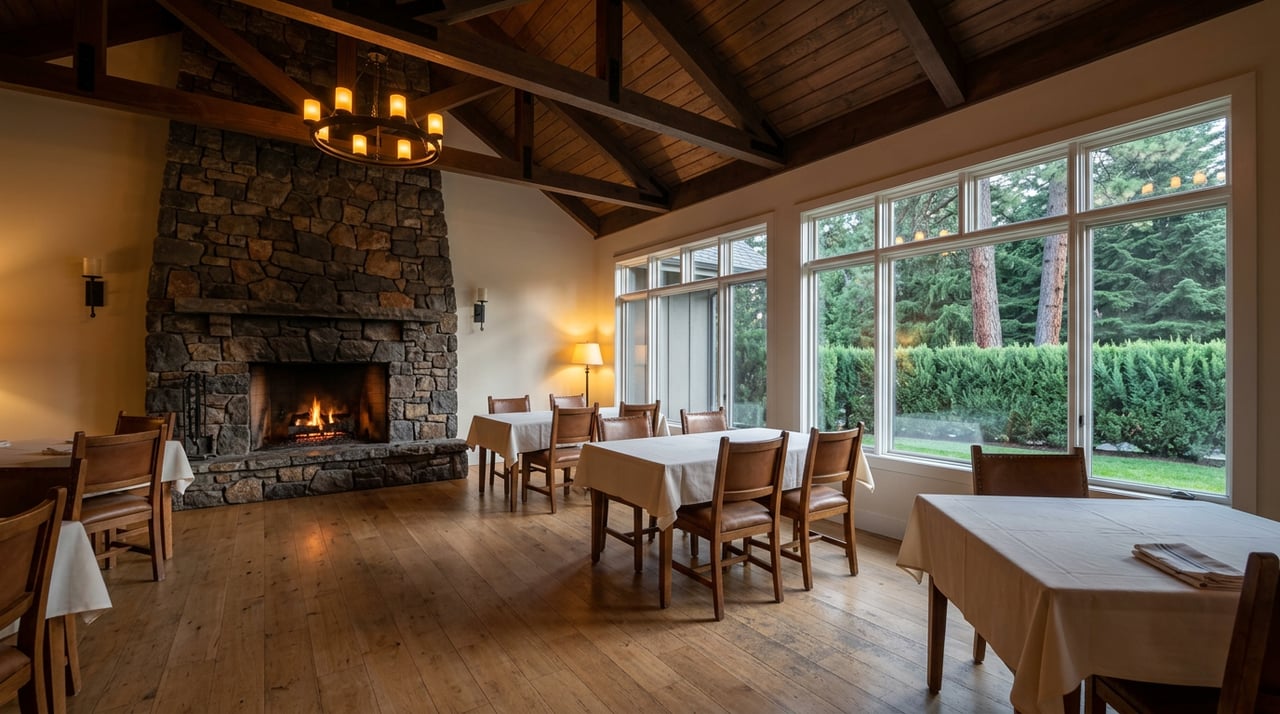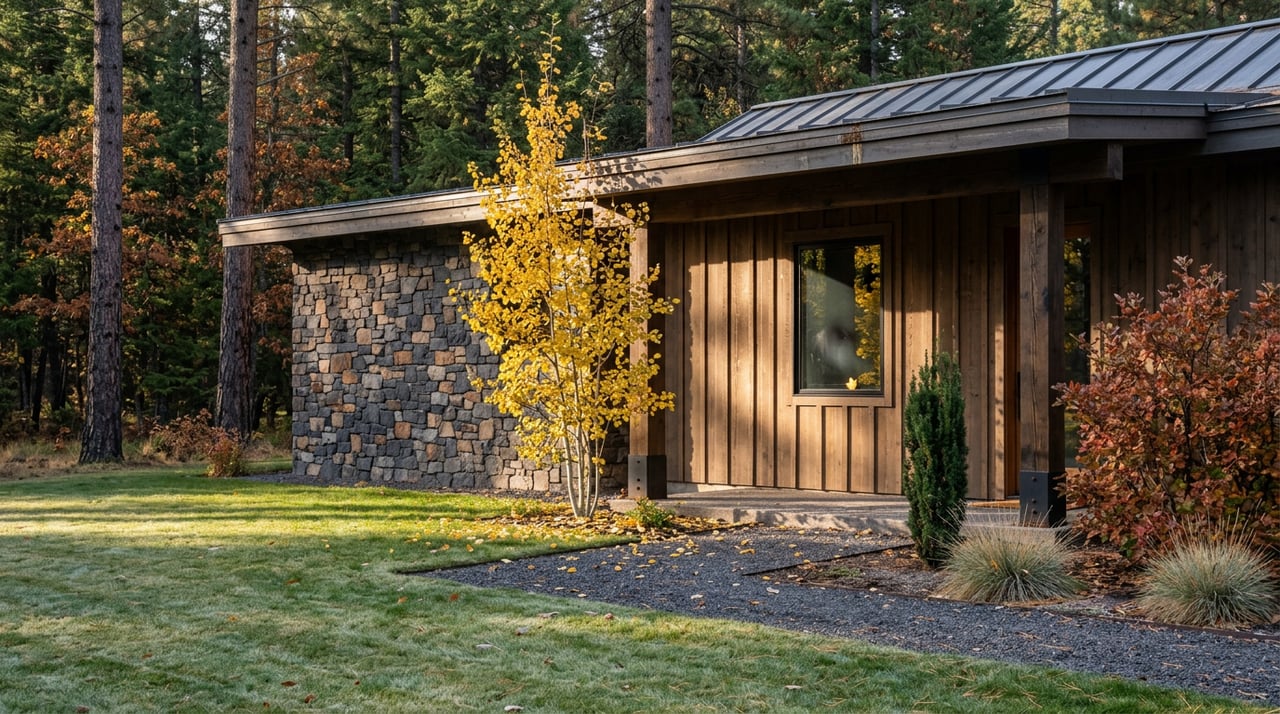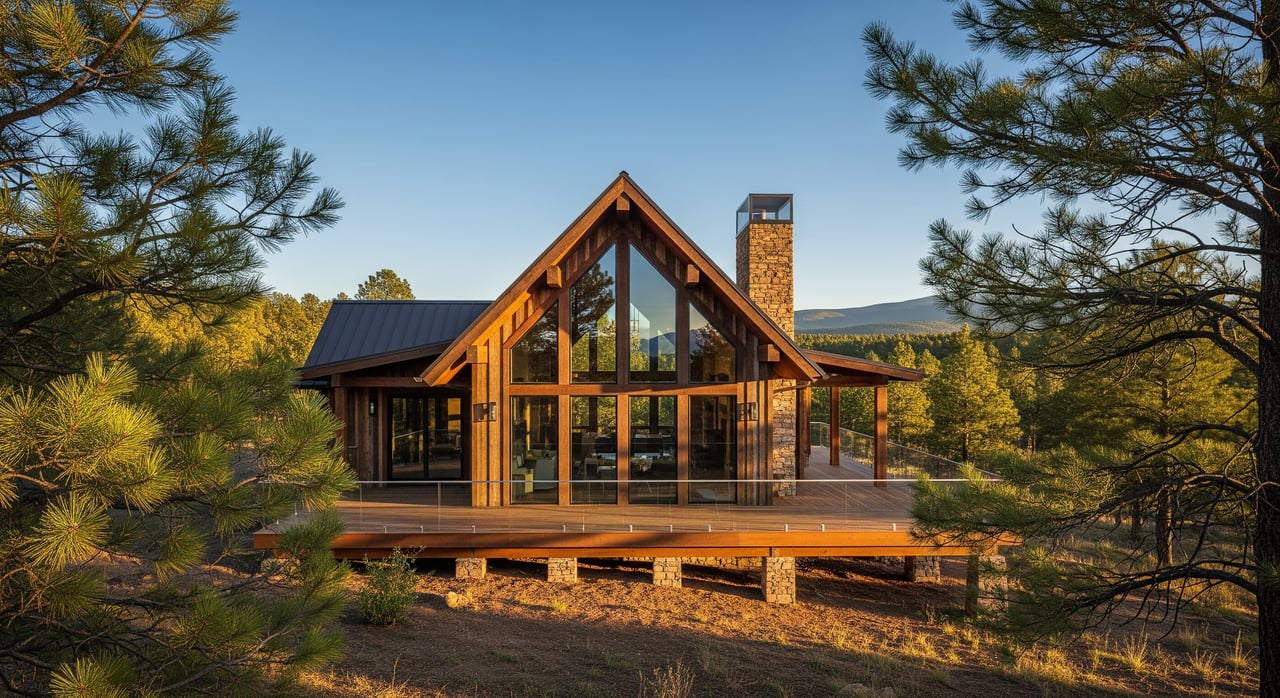
Not sure which cabin style fits your Show Low life best? You are not alone. Whether you are eyeing a weekend retreat or a year-round base, A-frames, chalets, and true log homes each deliver a different mix of lifestyle, upkeep, and long-term value. In this guide, you will learn how each style performs in the White Mountains climate, what to expect for maintenance, and how to buy with confidence. Let’s dive in.
Show Low mountain basics
Show Low sits in Arizona’s White Mountains at high elevation with four seasons, cooler summers, and regular winter snow. Freeze-thaw cycles, snow load, and a shorter building season shape how cabins are designed and maintained.
Wildfire resilience also matters in forested neighborhoods with ponderosa pine. Plan for defensible space, ember-resistant details, and a maintenance routine that keeps your exterior in good shape.
Local building in Navajo County follows adopted residential codes. Design snow loads, wind exposure, and site conditions guide the structure. HOA rules can also set limits on rooflines, finishes, deck size, or rental use. Verify permit and HOA details early.
What this means for you
- Expect snow-aware design, especially on roofs and decks.
- Budget for regular exterior care and winter readiness.
- Confirm Navajo County code requirements, HOA rules, and winter access.
- Factor in contractor availability and material lead times.
A-frame cabins: what to know
Snapshot
A-frames have a steep, triangular roof where the roof often acts as the wall. Inside, you typically see open lofts, a compact footprint, and a dramatic gable window wall.
Pros in Show Low
- Steep roofs shed snow well, which helps manage snow load.
- Simple shapes can be cost-effective and easier to heat if well insulated.
- Eye-catching look that is popular for vacation living.
Watchouts
- Limited vertical wall area reduces storage and furniture placement.
- Loft spaces can stratify heat without good insulation and zoning.
- Large gable glass needs high-performance windows to manage heat loss and glare.
Best fit
Choose an A-frame if you want character, a smaller footprint, and reliable snow shedding on a compact lot.
Chalet cabins: what to know
Snapshot
Chalet cabins are alpine-inspired with a steep gable roof, pronounced overhangs, and big decks or balconies for outdoor living. Interiors range from open lofts to full two-story layouts.
Pros in Show Low
- Flexible floor plans with room for guests or work-from-mountain days.
- Overhangs help shield walls and entries from precipitation.
- Strong mountain aesthetic with great view potential.
Watchouts
- Large roof planes and decks can collect snow and need proper structural design.
- Big windows must be high-performance with thoughtful shading.
- Exposed timbers and decks require ongoing staining and flashing checks.
Best fit
Choose a chalet if you want more finished square footage, ample deck space, and a classic mountain look.
True log homes: what to know
Snapshot
True log homes use full or half logs for the structure, inside and out. The result is an authentic rustic look with natural thermal mass.
Pros in Show Low
- Unmistakable curb appeal and a cozy interior feel.
- Log mass can help moderate temperature swings.
Watchouts
- Logs need consistent sealing, staining, and chinking checks to prevent moisture issues.
- Expect settling and movement over time that may require adjustments.
- Energy performance depends on advanced details. Insurance and financing can be more involved.
Best fit
Choose a true log home if authenticity is your priority and you are comfortable with specialized maintenance.
Hybrid cabins: a smart middle ground
Hybrid cabins blend the look of logs or heavy timbers with modern framed walls or insulated panels. You get the mountain character without full-log maintenance.
Why buyers like them
- Better airtightness and insulation for year-round comfort.
- Easier repairs and standard mechanical systems.
- Often more affordable than full-log builds.
Considerations
- Quality varies by builder and detailing. Review how log or timber accents interface with the weather barrier.
Maintenance by season
Spring
- Inspect roofing for winter wear and check flashing.
- Clear gutters and drains, and look for ice-dam stains.
- Check decks, railings, and the foundation perimeter.
Summer and fall
- Re-stain or repaint exterior wood as needed, including decks and exposed timbers.
- Trim vegetation to maintain defensible space around the home.
- Inspect chimneys and vents. Service HVAC or stoves.
Winter
- Monitor snow on low-slope roofs and large decks; clear as needed.
- Keep vents and exhausts free of snow.
- Protect water lines from freezing if the home sits vacant.
Snow, energy, and comfort
Roof and deck design
- Steep roofs typically shed snow more effectively.
- Wide overhangs and balconies can create drift zones. Structural design should account for localized loads.
- Verify the design snow load with Navajo County guidance and qualified professionals.
Thermal performance by style
- A-frames: Focus on continuous roof insulation, tight air sealing, and high-performance glazing. Zoning helps with loft temperature.
- Chalets: Use high-efficiency windows and plan for air sealing around timbers and penetrations.
- True log homes: Add high-quality gaskets and chinking. Consider insulated chases or interior insulation where appropriate.
- Hybrids: Combine thick cavity or exterior insulation with timber accents for the best balance.
Heating and ventilation
- Common options include cold-climate heat pumps, propane furnaces, radiant floors, and pellet or wood stoves for secondary heat.
- For part-time use, choose systems with freeze protection and remote monitoring.
- Tight homes benefit from balanced ventilation like HRV or ERV to manage moisture and indoor air quality.
Foundations and frost
- Footings and piers must address frost depth and soil conditions. Local code and site-specific guidance will drive the design.
Buying smart in Navajo County
Due diligence checklist
- Hire an inspector with snow-load awareness. For log homes, choose an inspector with log experience.
- Review permit history, recent renovations, septic and water system records, and HOA covenants.
- Confirm utility access and winter road access.
- Ask sellers about roof age, deck construction, last log or stain treatment, HVAC type and age, pest or moisture history, and insurance history.
Insurance, loans, and resale
- Forested settings and certain construction types can affect premiums. Defensible space, Class A roofing, and ember-resistant vents can reduce risk.
- Some lenders and appraisers treat true log or nonstandard construction differently. Verify loan acceptance early.
- A-frames and chalets often attract strong renter interest where allowed. Log homes appeal to a niche buyer pool. Hybrids broaden appeal by mixing look and performance. Always confirm HOA and local rules for rentals.
Quick comparison: which style fits you?
- Choose an A-frame if you want a compact, high-character retreat that sheds snow well and you can live with limited wall space.
- Choose a chalet if you value larger living areas, big windows, and outdoor decks, and you are ready for deck and timber upkeep.
- Choose a true log home if authentic log character is non-negotiable and you are prepared for scheduled staining, sealing, and chinking work.
- Choose a hybrid if you want the mountain look with better energy performance and easier maintenance.
Ready to match a cabin style to your lifestyle and budget in Show Low? Reach out to Erin Amos for local guidance and a proven process that makes buying in the White Mountains simple.
FAQs
What cabin style is lowest maintenance in Show Low?
- Hybrids and well-detailed framed chalets typically require less specialized upkeep than true log homes, though decks and exterior wood still need routine care.
How does snow load affect A-frames, chalets, and logs?
- Steep A-frame and many chalet roofs shed snow better, while large decks and wide roofs need strong structural design and regular monitoring during heavy storms.
Do true log homes save on heating costs?
- Logs provide thermal mass that smooths temperature swings, but overall efficiency depends on details like gaskets, chinking, and window performance.
What heating works best for a part-time cabin?
- Cold-climate heat pumps or propane systems with smart controls and freeze protection work well, often paired with a pellet or wood stove for backup.
How often do logs need staining or chinking?
- Many log homes need re-staining every 3 to 7 years depending on exposure, with chinking and sealant inspections as part of the same cycle.
Are short-term rentals allowed in Show Low cabins?
- Rules vary by neighborhood and HOA. Confirm local regulations and CC&Rs before you buy if rental income is part of your plan.
Will insurance cost more for a log cabin?
- It can. Construction type, roofing, wildfire exposure, and distance from fire services all influence premiums. Mitigation steps can help reduce risk.